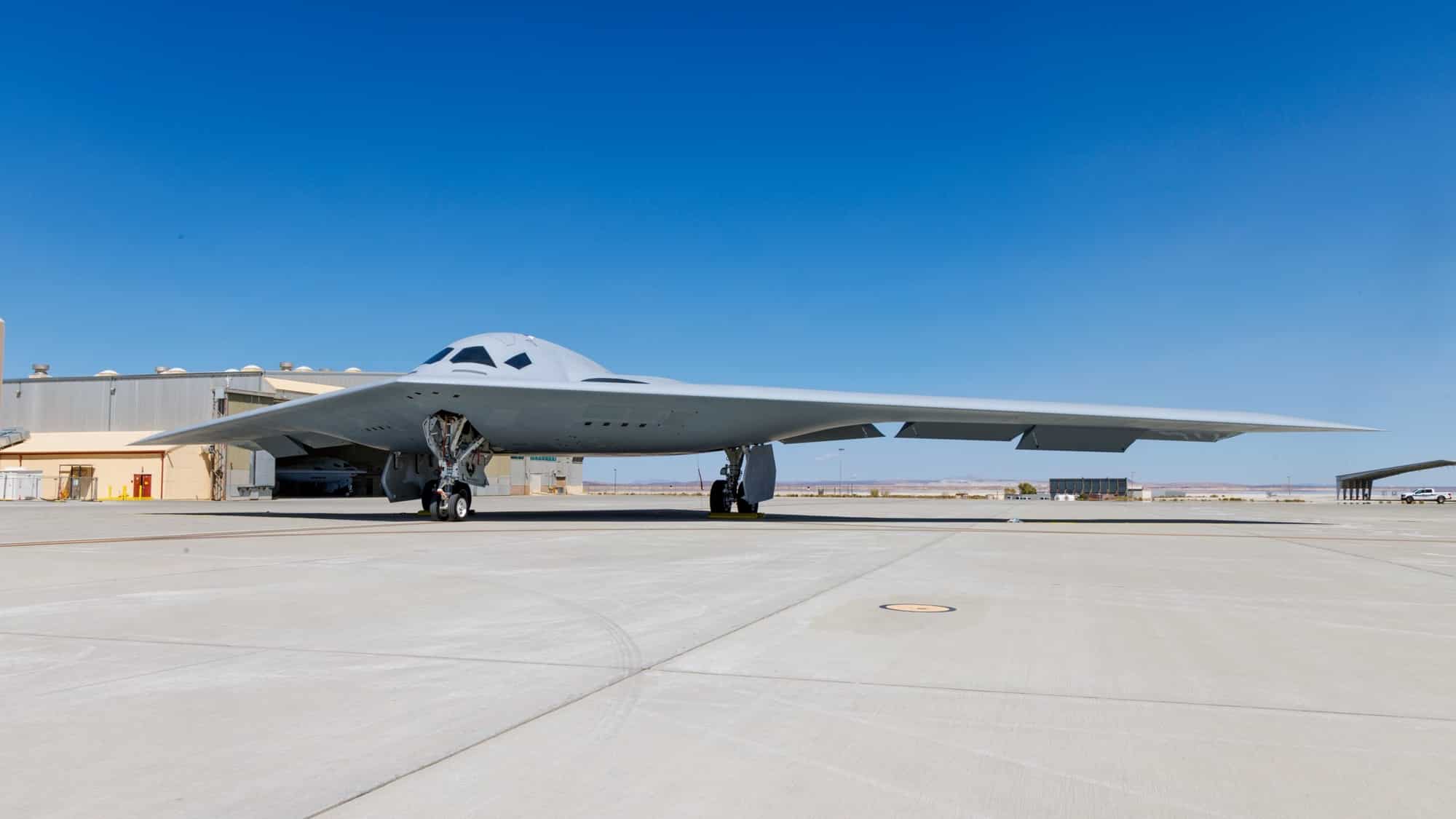
Operational and Developmental Test Pilots Fly Together on B-21 Raider
An operational test pilot recently flew the B-21 Raider stealth bomber with a developmental test pilot, marking a transition in a combined DT/OT environment and reflecting urgency.
The U.S. Air Force has announced that it started integrating operational test pilots aboard the new B-21 Raider stealth bomber. The service said that this first flight was conducted recently at Edwards Air Force Base, California, and the operational test pilot shared the cockpit with a developmental test pilot.
Combined DT/OT environment
So far, the B-21 has been flown by the pilots of the 420th Flight Test Squadron, which are in charge of the developmental flight testing with the two first airframes. The operational test pilot was assigned to Air Force Operational Test and Evaluation Center’s Detachment 5.
“We put an operational test member in the pilot seat with an Air Force Test Pilot School graduate in the other,” said Col. Matt Guasco, AFOTEC Detachment 5 commander. “In the history of modern test, we’ve never done that so early in a program.”
The service says in its press release that “the integration of operational test marks a major shift in how the Air Force evaluates its most critical next-generation aircraft, breaking down historical barriers in the flight test pipeline.” A similar approach was first adopted with the F-15EX Eagle II, which saw the developmental and operational testing advancing simultaneously, although the timelines were different.
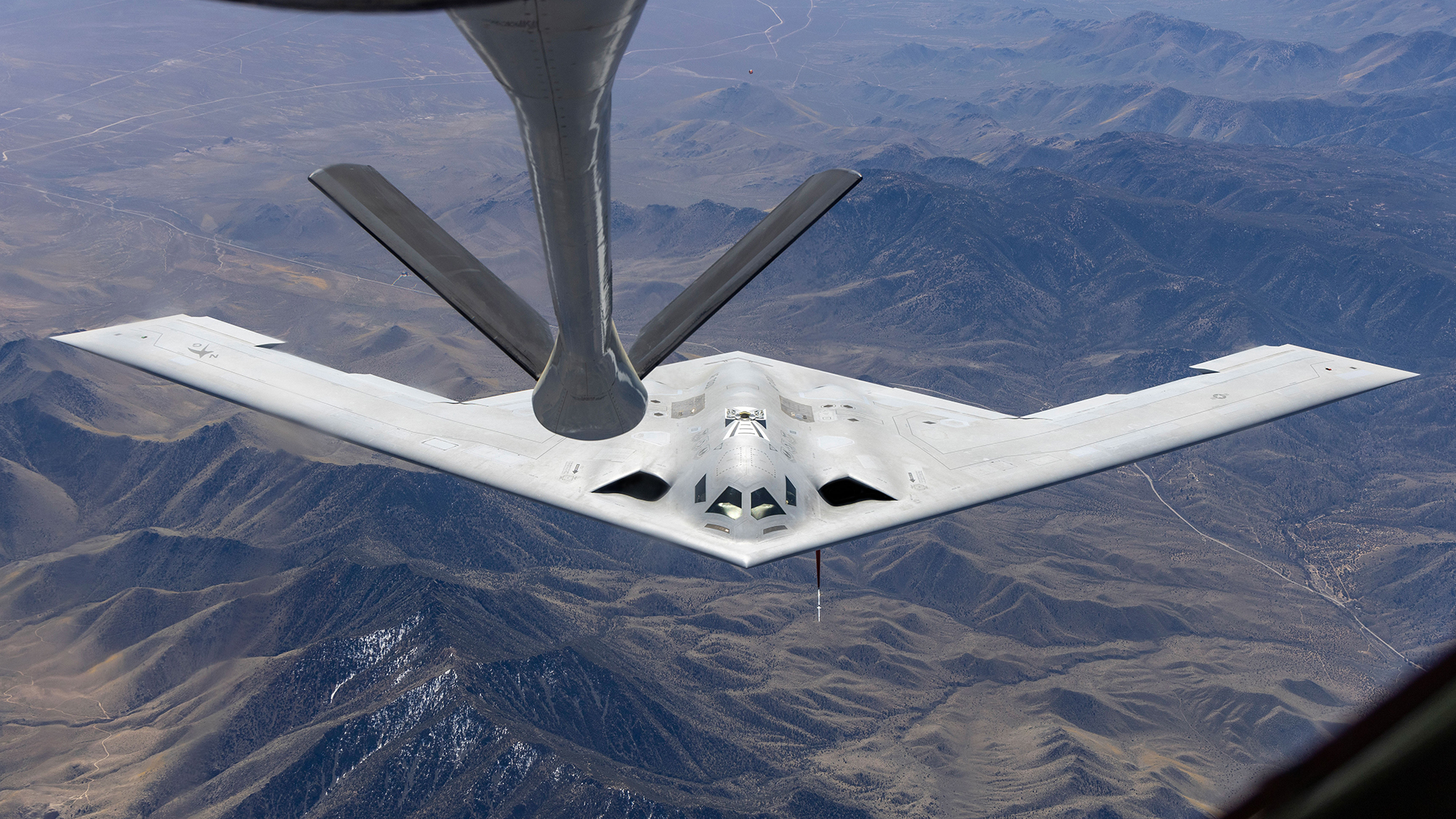
A B-21 Raider conducts aerial refueling with a KC-135 Stratotanker. | Source: U.S. Air Force
“Traditionally, developmental test ensures an aircraft meets its technical specifications and flies safely, while operational test is conducted separately and much later to determine if the platform is combat-effective, suitable and survivable in the hands of the warfighter,” explains the Air Force. “Transitioning directly into a combined DT/OT environment eliminates the gap between ensuring a jet simply works and ensuring it is ready for combat.”
Officials are describing this milestone as reflecting the sense of urgency around the fielding of the B-21 Raider. Both U.S. Air Force and Northrop Grumman officials said the B-21 is ‘close’ to enter service, and earlier this year they said that the B-21 is expected to arrive at Ellsworth AFB, South Dakota, in 2027.
“Integrating operational and developmental test in the B-21 program exemplifies the acquisition culture we’re instilling throughout the force,” said Gen. Dale White, the Department of War’s direct reporting portfolio manager for critical major weapon systems. “It’s a smarter and faster mindset that leverages modern production and test tools with the proper sense of urgency, urgency that challenges old processes and moves us to a more agile acquisition system.
White, who is responsible for Sentinel, F-47, B-21 and Collaborative Combat Aircraft, further reiterated that the B-21 is close to be fielded. “In the case of the Raider, it means we’re now that much closer to placing asymmetric lethality into the hands of the warfighter,” he said.
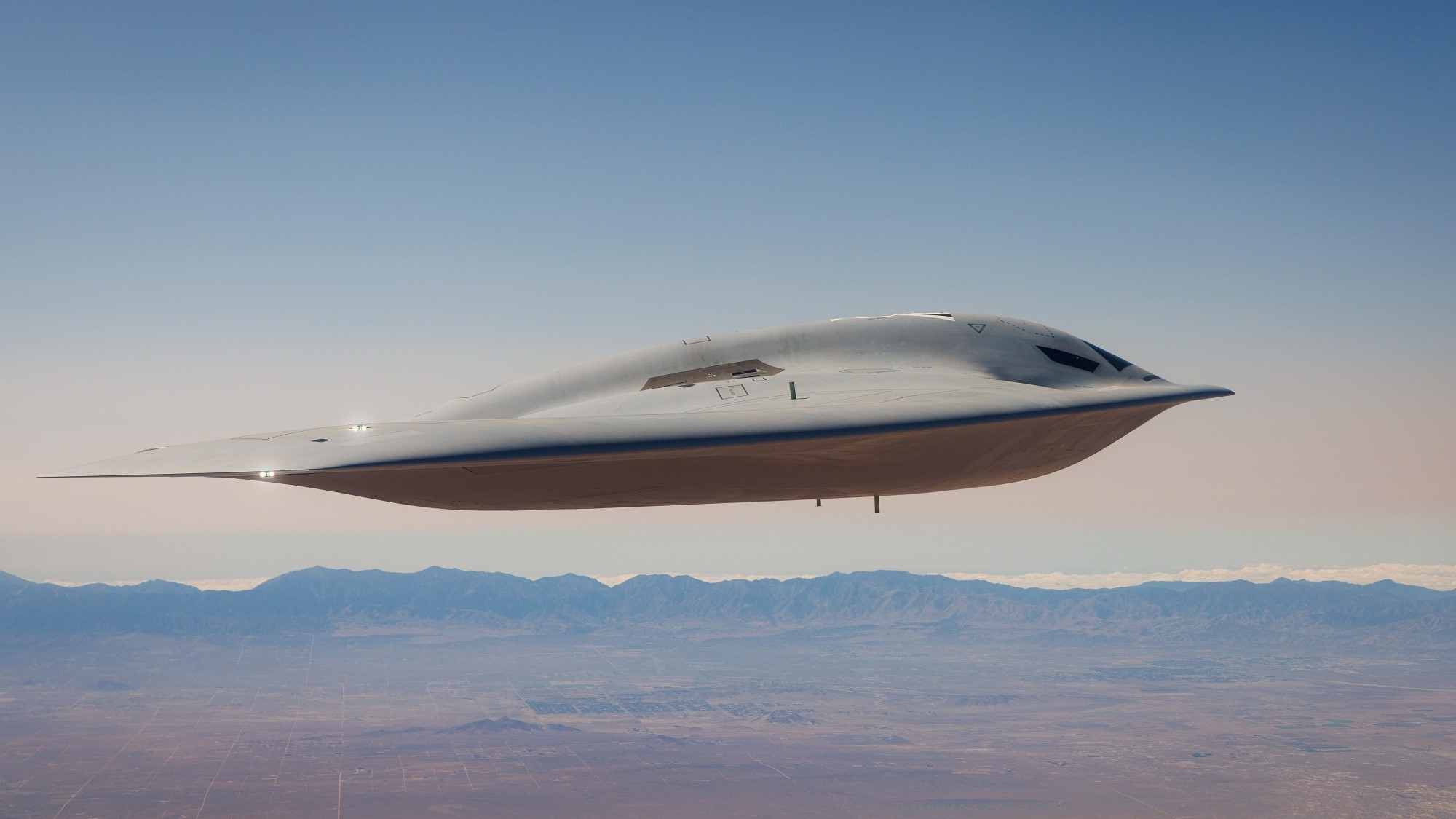
The second B-21 in flight on its way to Edwards AFB. | Source: U.S. Air Force
“Bringing operational testers onto the team at this early point in the program now means we can evaluate the bomber’s true combat utility, not just its flying characteristics,” said Lt. Col. Matthew Gray, 420th Flight Test Squadron commander and Raider CTF director.
The first B-21 arrived at Edwards AFB in November 2023, at the end of its first flight. Following the arrival of the second B-21 in September 2025, the service says the Raider Combined Test Force transitioned beyond initial flight performance checks into critical mission systems and weapon integration.
Urgency without recklessness
Gen. White held an all-call with the Raider CTF team at Edwards AFB on June 8, 2026, during which he underscored the “strategic weight of accelerated testing.” The General also stressed about the importance of the work being done across multiple programs.
“There are three programs the future of our nation depends upon: Sentinel, B-21 and F-47,” he told the crowd. “These are the capabilities our nation will turn to in its darkest hour.”
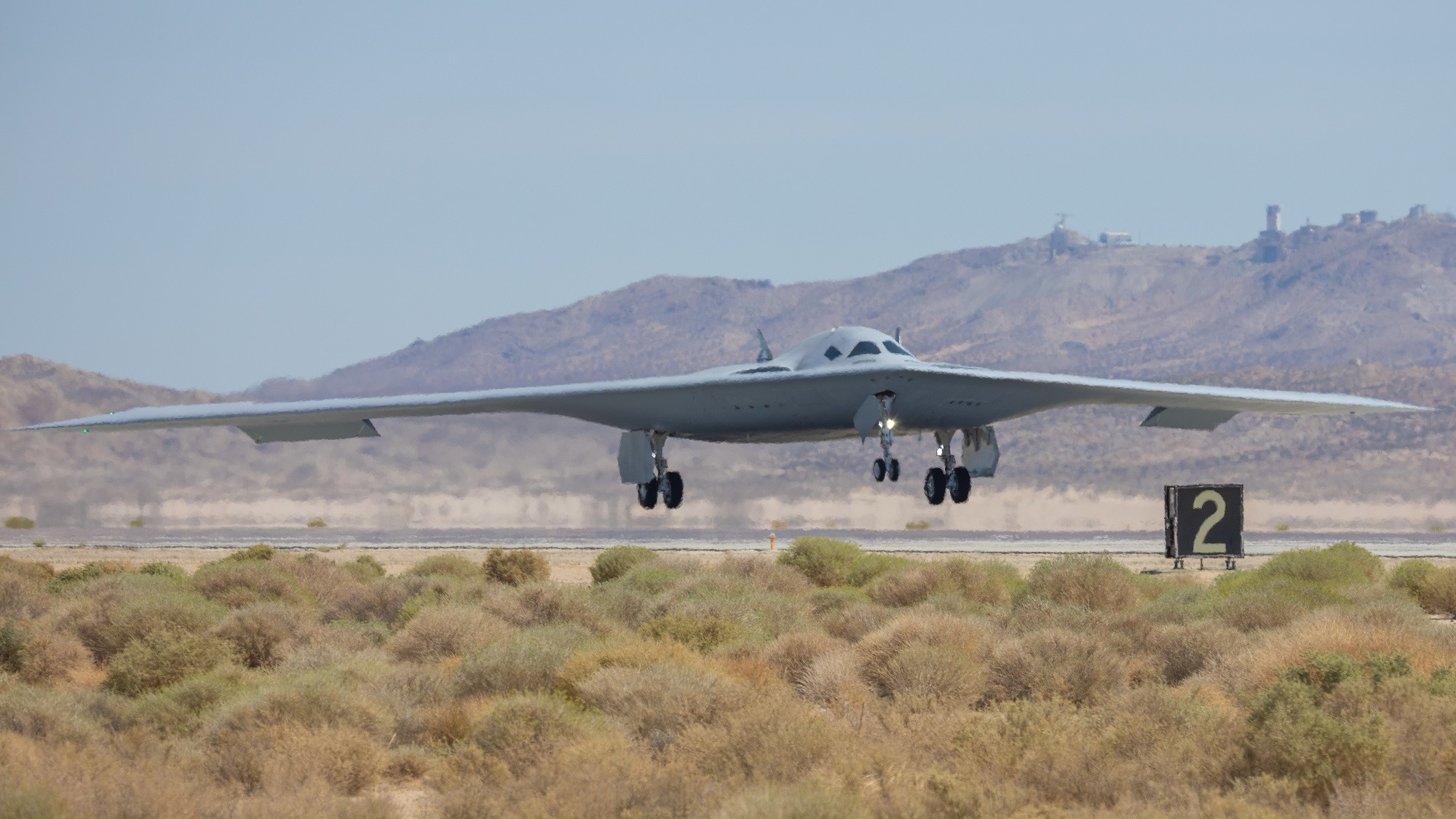
A B-21 Raider test aircraft lands at Edwards Air Force Base, Calif., during ongoing developmental flight testing, Sept. 11, 2025. The B-21 will be the backbone of the bomber fleet; it will incrementally replace the B-1 Lancer and B-2 Spirit bombers. | Source: U.S Air Force photo by Todd Schannuth
During the conversation, White outlined his priorities for the B-21: ensuring the program is resourced correctly and ensuring that “bureaucratic processes” do not overload the testing team. At the same time, the General stated that the urgency does not have be assigned by recklessness which could jeopardize the effort.
“I’m not going to be reckless and say go faster,” he said. Instead, he asked the team directly, “How can I clear the way?”
White said that clearing the way for the CTF team to do its job at the best of its possibilities requires a cultural shift. However, he also stressed the need to demonstrate “urgency with purpose, urgency with meaning,” pushing boundaries, challenging processes and culture.