
Spain Selects Airbus A321 for New SIGINT Platform
Spain is set to regain a dedicated airborne SIGINT capability with three A321-based aircraft under the Santiago II programme.
In the latest publication of the Revista de Aeronáutica y Astronáutica – the service’s official publication – the Spanish Air and Space Force (EdlA) announced its intention to base its new SIGINT (SIGnal INTelligence) platform on the Airbus A321. This development follows the Dec. 30, 2025 announcement by Airbus stating that, together with Indra, it would be responsible for the design, development and production of three SIGINT aircraft for the EdlA.
The aircraft form part of Spain’s entirely indigenous Santiago II programme, an effort to restore the airborne SIGINT capability within the nation’s wider Santiago intelligence system. The programme has been valued at approximately 436 million euros.
Airbus Defence and Space and @IndraCompany have been selected by @DefensaGob to carry out a 18-month conceptual definition study for the future Signals Intelligence aircraft of the @EjercitoAire.
The study will analyze and define the most suitable platform and signals intelligence equipment for three aircraft that will detect, track, classify, and identify targets of interest to the Spanish Armed Forces.
Airbus will draw up a proposal for an aircraft adapted to the Spanish customer’s needs.
Learn more: https://t.co/XxC3JkZHgQ
— Airbus Defence (@AirbusDefence) December 30, 2025
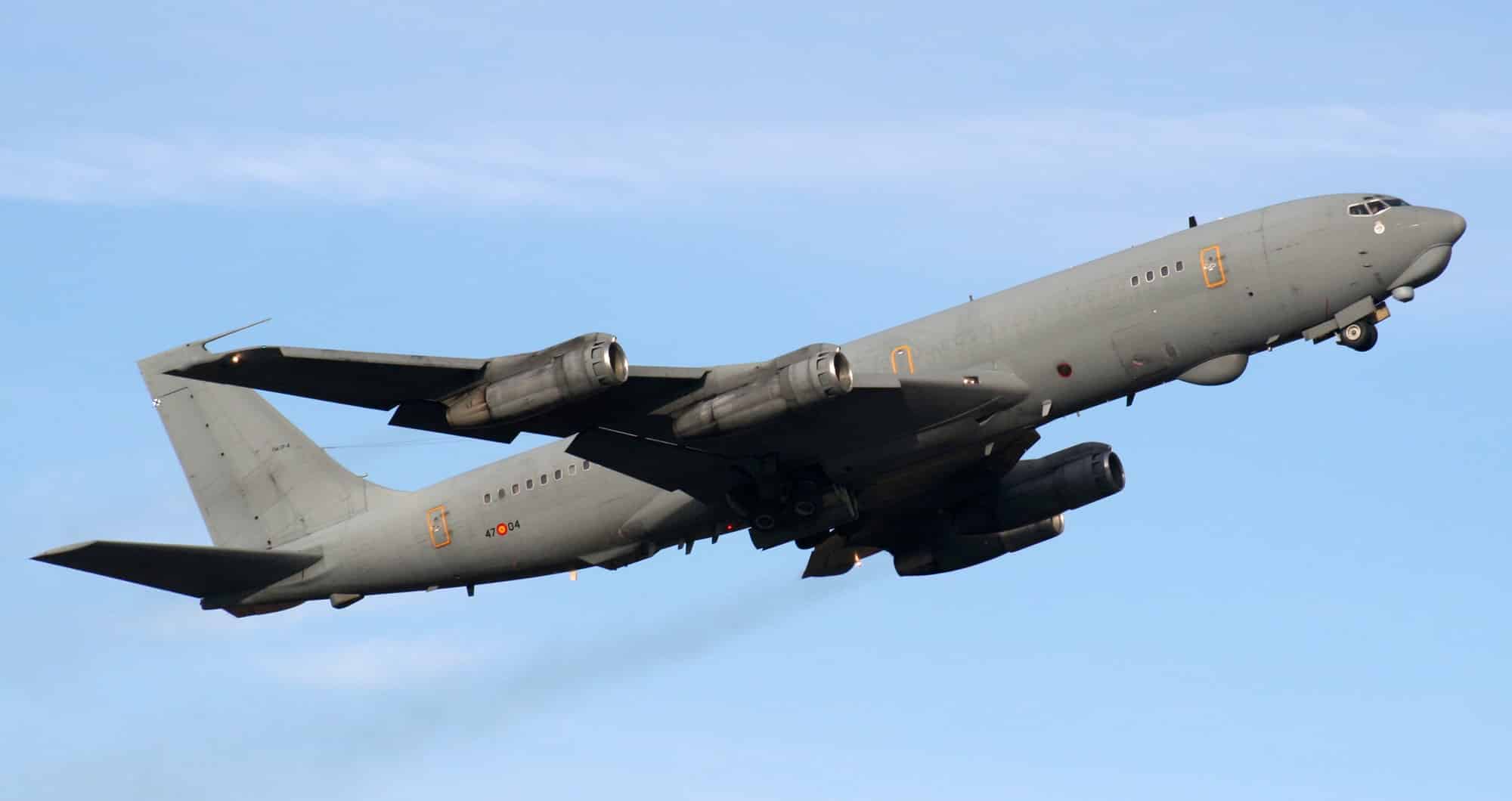
Once in service, the three new A321-based platforms will be the first manned SIGINT platforms since the retirement of the modified Boeing 707 and Falcon 20s in 2014 and 2015, respectively. The aircraft will fulfill their primary mission of collecting and processing intelligence in the electromagnetic spectrum.
Spain’s TM.17-4, a 707-based SIGINT aircraft that retired from service in 2014. | Source: Carlos Menendez San Juan via Wikimedia Commons
The A321’s original function as a civilian airliner allows for greater cabin space, electrical capacity, and endurance when compared to smaller types like the G550, which are often used as baseline platforms for aircraft with a similar mission set. Although the specific variant that will be used for the new SIGINT aircraft has not been specified, versions like the A321XLR would certainly allow for greater operational flexibility when compared to earlier variants of the A321 family.
A rendering of Airbus’s A321XLR based MPA. | Source: Airbus

The SIGINT Mission Systems
While Airbus will provide the modified airframes, Indra will be the primary contractor for the development of the mission systems at the core of the platform. Indra describes its system as the ‘operational brain’ for manned platforms, designed to transform gathered data into strategic intelligence that enhances the effectiveness of airborne missions.
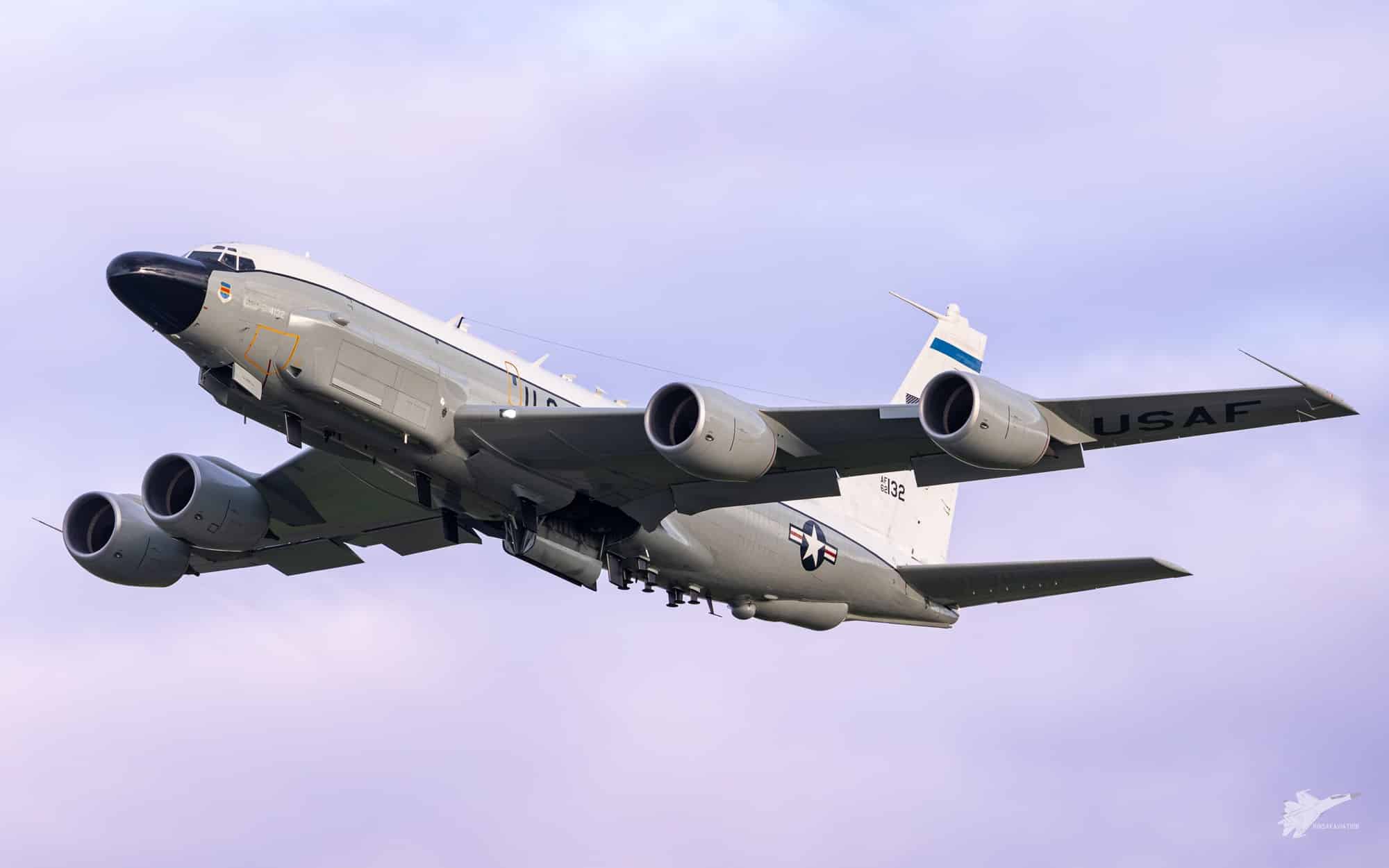
The SIGINT system will combine ELINT (ELectronic INTelligence) and COMINT (COMmunications INTelligence) functions under a single C2 (Command-and-Control) architecture, allowing operators to obtain strategic intelligence and attain dominance in the electromagnetic spectrum. It will also incorporate anti-jamming and interference measures so as to allow the aircraft to operate in contested electromagnetic environments while also being compatible with distributed C4ISR standards, allowing smooth integration with other NATO types like the RC-135.
An USAF RC-135W SIGINT aircraft. The type is operated by the USAF and Royal Air Force, and performs a similar role to that of the A321-based platform currently in development for Spain. | Source: Rin Sakurai
Spanish Airborne ISR Capabilities
The aircraft developed under the Santiago II programme will restore a capability lost since the retirement of TM.17-4, a modified Boeing 707-300, in 2014. The aircraft, which was known by its nickname of Reina del Espectro (Queen of the Spectrum), was Spain’s primary platform for collecting COMINT and ELINT before retirement.
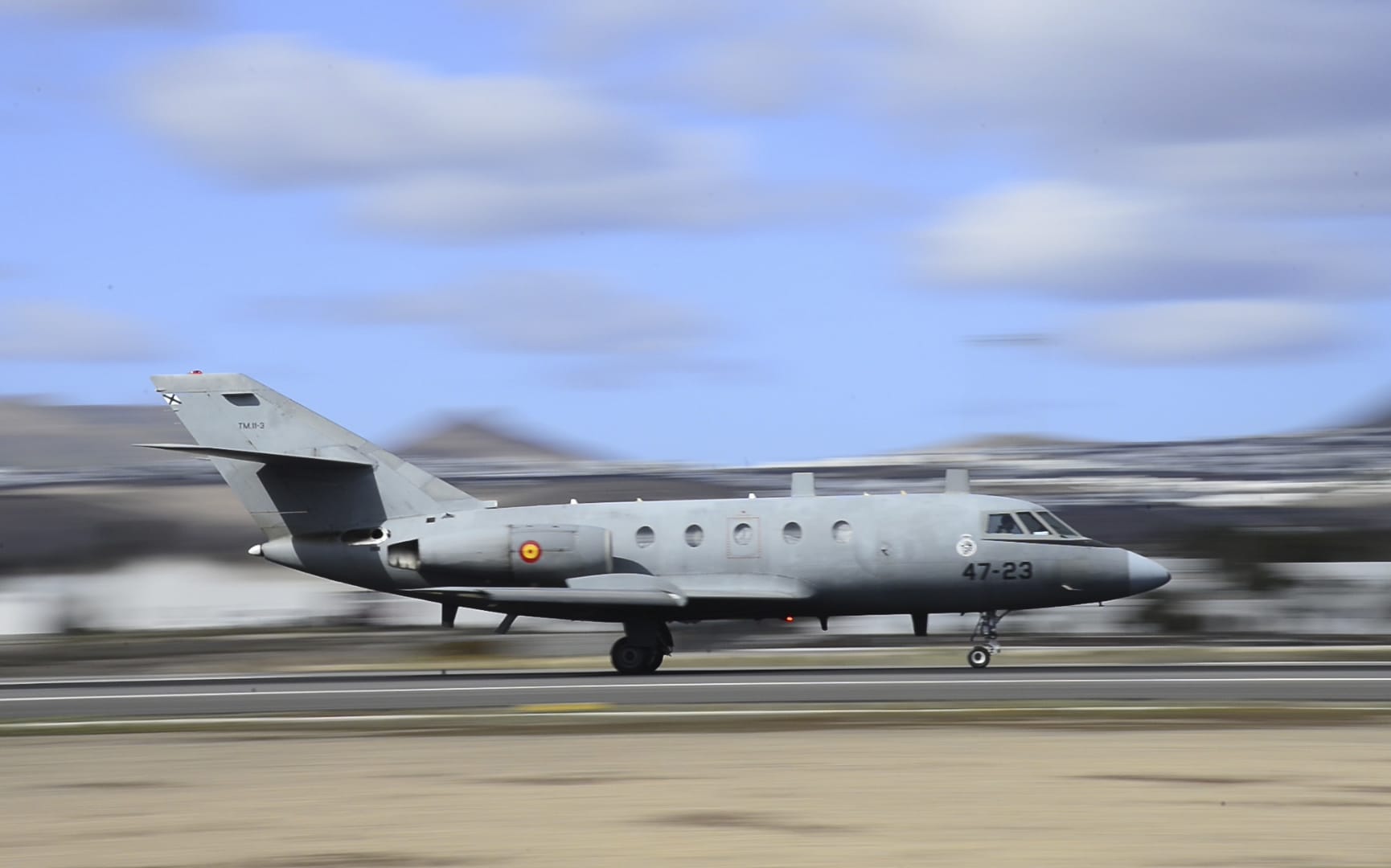
The EdlA also operated Falcon 20ECMs configured for EW (Electronic Warfare) and ELINT, while the broader SIGINT architecture also incorporates ground-based systems operated by other branches of the Spanish Armed Forces.
A Falcon 20ECM of the Spanish Air Force. | Source: Ejército del Aire Ministerio de Defensa España
Nonetheless, the A321 platform will be the first manned airborne SIGINT type operated by Spain in over a decade. The aircraft will be complemented by uncrewed platforms, such as the Predator-B currently undergoing integration of L3Harris’ SOAR (Scalable Open Architecture Reconnaissance) system.
The industry-leading Scalable Open Architecture Reconnaissance #ISR solution by #L3Harris and General Atomics Aeronautical Systems, Inc. features full-band #SIGINT with a medium-altitude, long-endurance Predator B wing-mounted pod.
Learn more: https://t.co/qD7a4HnayT https://t.co/1Ew6N82sTv
— L3Harris (@L3HarrisTech) February 26, 2020
The selection of the A321 could also have implications beyond the SIGINT programme. Spain has previously considered the possibility of an A321-based AEW&C (Airborne Early Warning and Control) aircraft, and such an aircraft could share multiple elements with the SIGINT platform – including the airframe, power generation and communications infrastructure. Although still only a possibility, the Santiago II programme demonstrates Spain’s interest in fielding sovereign airborne intelligence capabilities, and thus it would therefore not be surprising if Madrid eventually explored an indigenous AEW&C capability as well.