Is An SR-71 Blackbird Returning to Flight 27 Years Later?
NASA quietly removed the SR-71 #844 from static display at the Armstrong Flight Research Center, where it sat since the type’s last flight in 1999, just as NASA Administrator Jared Isaacman is promising a new generation of high-speed X-planes.
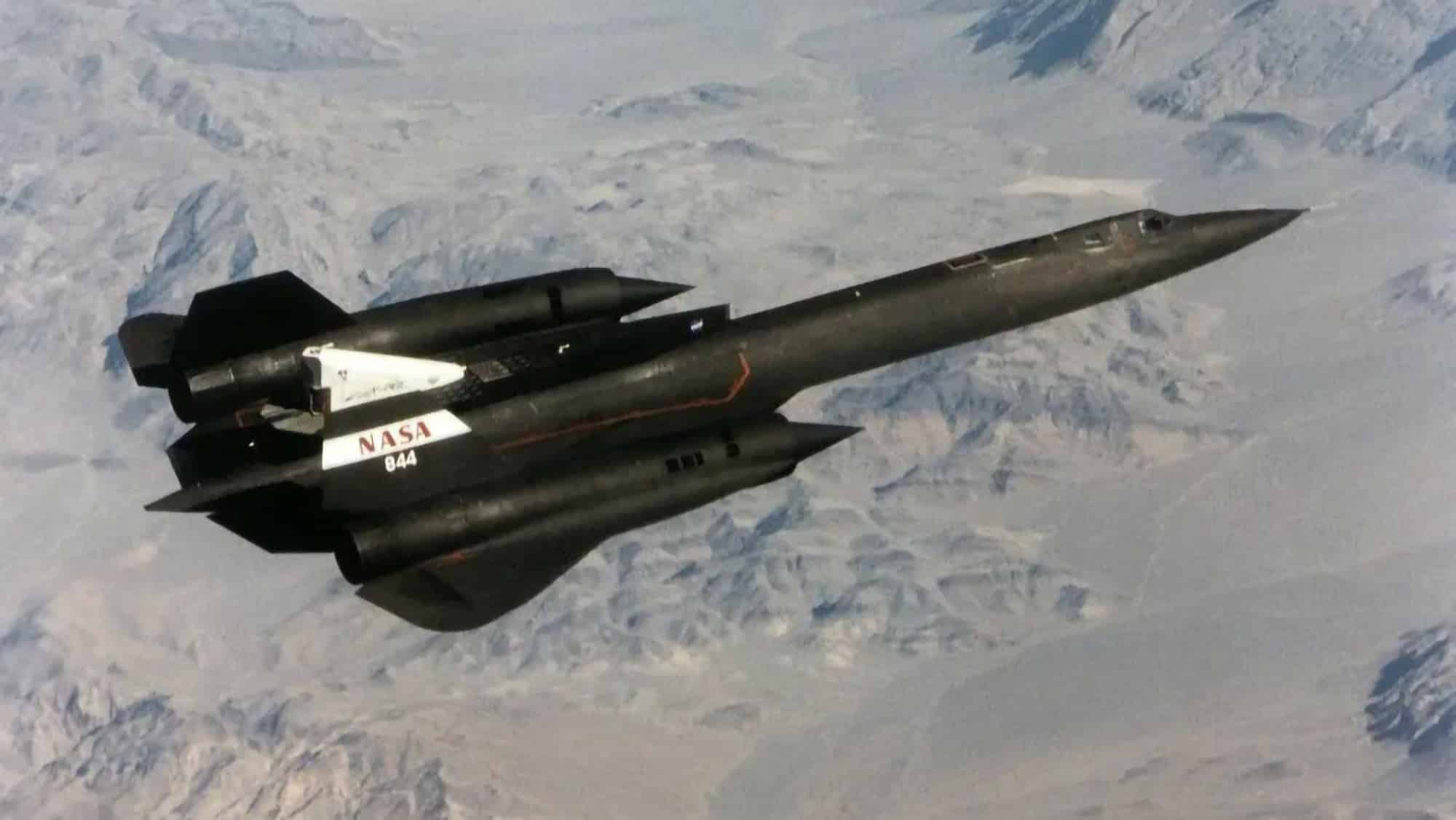
An SR-71 Blackbird has disappeared from NASA’s Armstrong Flight Research Center at Edwards Air Force Base, California. The aircraft, NASA tail number 844, had been sitting on display outside the Armstrong facility for years since the last flight on Oct. 9, 1999.
Aviation Week and The War Zone were the first to report about the disappearance. According to Aviation Week’s Defense Editor Steve Trimble, commercial satellite imagery indicates that the Blackbird was no longer at its usual location since at least May 17, 2026.
Aviation Week subsequently reported that the aircraft was moved into a hangar earlier this year for an inspection. Sources familiar with the matter indicated that NASA had been exploring whether the SR-71 could potentially return to flight, although the agency said they have no additional information to share regarding the aircraft when contacted by The War Zone.
However, the timing is particularly intriguing. In fact, only few days before, NASA Administrator Jared Isaacman presented an image of a mysterious high-speed aircraft during the All-In Summit in Los Angeles. The slide, titled “Rebuilding our X-plane portfolio,” showed an aircraft emerging from clouds whose silhouette immediately recalled the iconic Blackbird.
Asked whether the aircraft shown was an SR-71, Isaacman cryptically replied: “You sure that’s a Blackbird?” He did not clarify what the aircraft actually was. Instead, he said that NASA was “getting back in the business of flying high and fast again.”
An unidentified aircraft appeared on a slide titled “Rebuilding our X-plane portfolio” during NASA Administrator Jared Isaacman’s All-In Summit presentation. | Source: NASA

However, information reported by Aviation Week in its ‘Check Six’ podcast suggests that there may be more behind the movement of SR-71 #844 than a routine change in display location.
The SR-71 that disappeared
The SR-71 #844 is not any Blackbird, as it was the final SR-71 to be produced and the last one to fly. The aircraft started its career with the U.S. Air Force, which assigned it the serial number 64-17980.
In 1990, this SR-71 was loaned to NASA by the U.S. Air Force. Throughout the 1990s, it was one of the Blackbirds operated by NASA as a high-speed and high-altitude research platform.
NASA’s final SR-71 flight took place on Oct. 9, 1999. Following the end of its flying career, 844 remained at what was then Dryden Flight Research Center, now Armstrong, where it eventually became part of the facility’s outdoor display.
Aviation Week Defense Editor Steve Trimble reported that sources indicated that 844 had been moved into a hangar for an inspection. Obviously, that alone would not establish that NASA is preparing the Blackbird to fly again as static display aircraft can require inspection, maintenance and preservation work after years in the open.
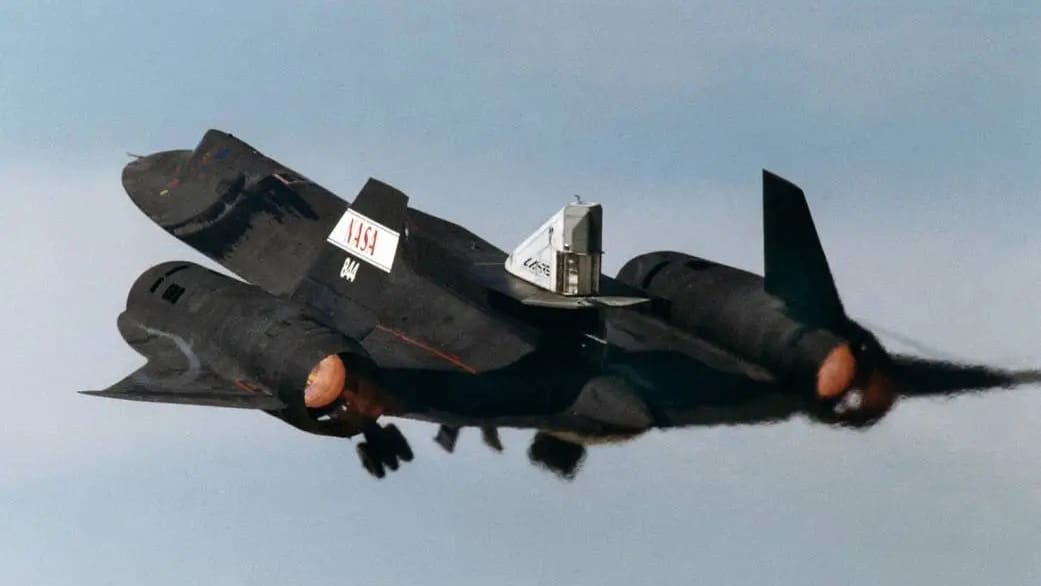
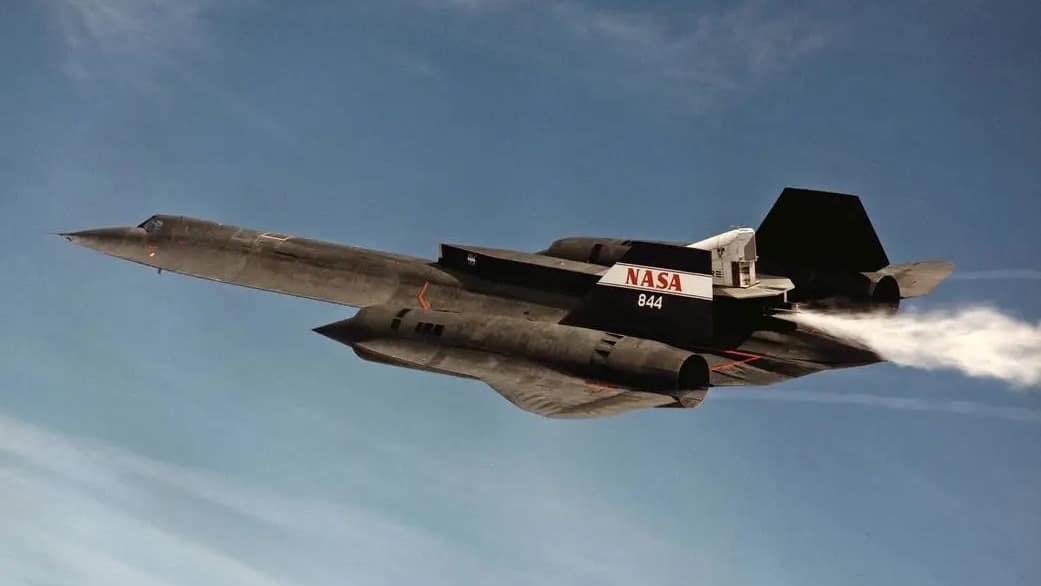
The Linear Aerospike SR-71 Experiment (LASRE) pod is seen on the upper rear fuselage of an SR-71 aircraft during take-off of the first flight to experience an in-flight cold flow test. | Source: NASA/Tony Landis
However, there is a significant detail which might change the story. In fact, according to Trimble’s reporting, NASA also contacted former members of the SR-71 program to determine whether they would be interested to participate in a potential return-to-flight effort.
That information has not been confirmed by NASA. If the reporting is accurate, any such effort has evidently not been publicly acknowledged; Trimble noted that he could find no identifiable funding line associated with it in available budget documents.
If NASA really were considering returning an SR-71 to flight, #844 has several characteristics that would make it an obvious candidate. As mentioned earlier, it was the last SR-71 built and also the last one to fly, and the Mojave Desert – where the Armstrong Flight Research Center is located – offers an environment which is highly favorable for long-term preservation.
Additionally, #844 benefited from upgrades introduced late in the Blackbird’s operational career, including the Digital Automatic Flight and Inlet Control System (DAFICS), which integrated flight and inlet controls and made the violent inlet ‘unstarts’ that had characterized earlier SR-71 operations increasingly rare.
Going higher and faster
The timing of the aircraft’s disappearance becomes even more interesting when considered alongside Isaacman’s recent comments. As we recently reported here at The Aviationist, during his September 2026 All-In Summit presentation, the NASA administrator described the agency’s intention to rebuild its X-plane portfolio.
The NASA SR-71A during cold flow testing as part of the Linear Aerospike SR-71 Experiment (LASRE) program. | Source: NASA/Carla Thomas
The X-59 QueSST, currently NASA’s most visible experimental aircraft program, is focused on demonstrating quieter supersonic flight. Isaacman made clear that he sees the aircraft as only the beginning of a broader effort.
At EAA AirVenture in July, Isaacman had already spoken about the SR-71 in the context of NASA’s historical X-plane portfolio. When asked about plans for a new crewed hypersonic aircraft or an SR-71 successor, Isaacman said the area was of significant developmental interest.
At another AirVenture panel, Isaacman was asked which aircraft he would like to fly but had never flown. His immediate answer was the SR-71 Blackbird. This led the moderator to ask whether he had the authority to bring one back, with Isaacman replying: “That’s classified.”
Obviously, none of those comments constitutes confirmation that NASA is restoring the SR-71 to fly again. However, they provide an intriguing backdrop to what is otherwise an unexplained move.
Why would NASA want an SR-71 again?
What makes the SR-71 interesting enough to NASA for a potential return to flight is its flight envelope. In fact, the SR-71 was designed to cruise at around Mach 3.2 and at altitudes approaching 85,000 feet.
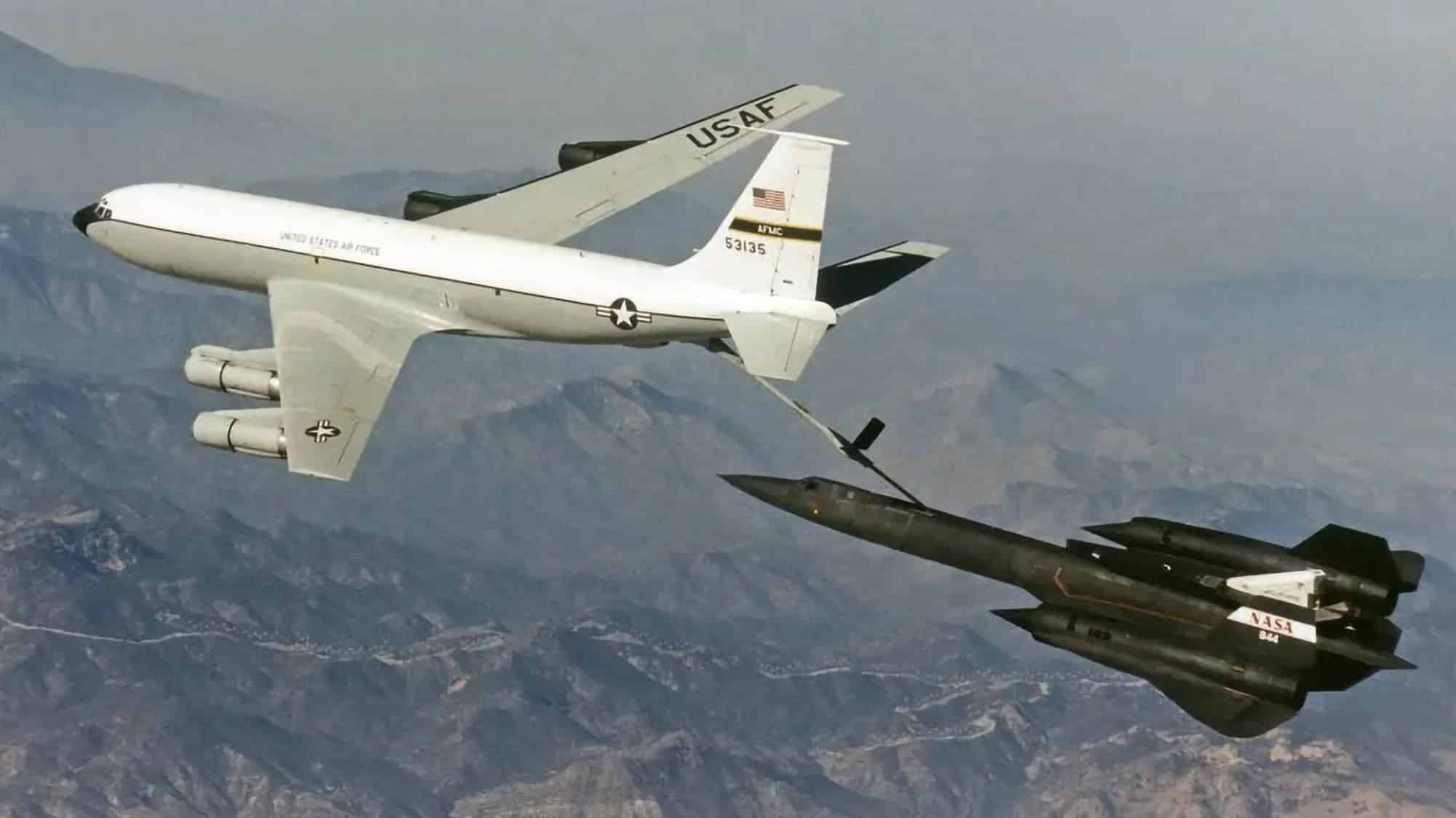
A NASA SR-71 refuels from a KC-135 tanker assigned to Edwards Air Force Base. | Source: NASA/Lori Losey
Its ability to operate at extreme speed and altitude made it an unusually useful research platform, and NASA used its Blackbirds for work involving aerodynamics, propulsion, structures, thermal protection materials, high-speed instrumentation, atmospheric research and sonic booms. None of the aircraft currently used by NASA can reproduce this combination of capabilities.
NASA operated SR-71s during the 1990s specifically because their performance opened research opportunities unavailable to conventional aircraft. Considering the ongoing research in the hypersonic flight regime, the Blackbird could potentially provide a unique bridge between conventional supersonic flight testing and the much more challenging regimes associated with hypersonic speeds.
The SR-71 could also conceivably serve as an airborne test or launch platform for experimental high-speed vehicles. There is historical precedent within the Blackbird family: the M-21, a modified A-12, was developed to air-launch the D-21 high-speed reconnaissance drone. Any comparable use of an SR-71 today, however, would require an entirely new integration effort.
However, NASA may not necessarily want an original SR-71 to become a conventional flying aircraft again. Instead, the agency could use the aircraft as a technological and aerodynamic reference for a new X-plane.
Isaacman’s comments suggest that NASA is interested in radical airframe and propulsion designs rather than simply incremental improvements to existing systems. A new aircraft could retain some of the fundamental aerodynamic principles that made the Blackbird successful while taking advantage of six decades of advances in materials, manufacturing, avionics, flight controls and propulsion.
A J58 turbojet used in the Lockheed SR-71s which NASA flew, during an engine run. | Source: NASA/Tony Landis
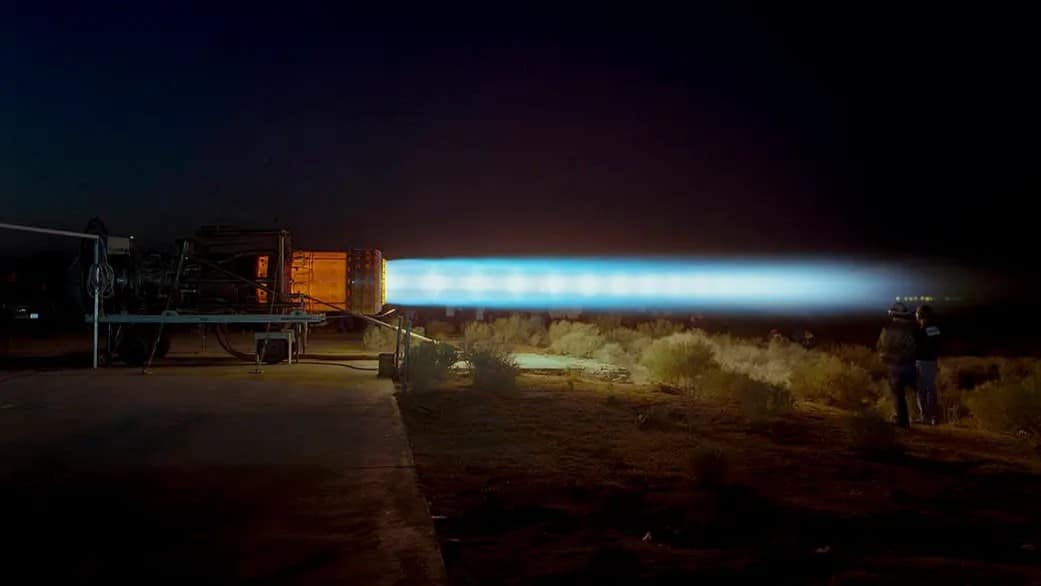
Bringing an SR-71 back would be an enormous undertaking
Returning an SR-71 to flight status is easier said than done. Because of its extreme operating environment and unique characteristics, the maintenance of the Blackbird required a substantial effort, with a dedicated support infrastructure that however disappeared after the fleet’s retirement.
The Pratt & Whitney J58 engines were designed around the aircraft’s unique operating requirements and used JP-7 fuel, a fuel with a high flash point and high thermal stability specifically produced for the SR-71. The last stocks of JP-7, which is no longer in regular production, were burned in 2002, although ten years later an unspecified quantity of JP-7 was produced again for the X-51 Waverider unmanned ramjet-powered hypersonic demonstrator.
Aviation Week also noted the economic challenge to return the SR-71 to flight. About two years after the final flight, the possibility of reactivating an SR-71 for intelligence missions was examined, with estimates reportedly reaching $40–45 million. Almost 27 after the final flight, the challenge would be considerably greater.
Could the SR-71 follow the F-117’s example?
While it remains unclear whether an SR-71 will ever return to flight, there is already a remarkable precedent for a supposedly retired aircraft continuing to play an important role years after leaving operational service: the F-117 Nighthawk.
The F-117 was officially retired in 2008, with the remaining aircraft transferred to the Tonopah Test Range in Nevada. Following retirement, the remaining aircraft were placed in Type 1000 recallable storage at Tonopah, preserving them in a condition that initially allowed for possible return to service. That requirement was eventually repealed in 2016, allowing the Air Force to begin divesting portions of the fleet.
Yet retirement did not mean the end of the Nighthawk’s flying career. Nearly two decades later, F-117s continue to fly regularly, supporting training as low-observable adversary aircraft and cruise-missile surrogates, while also being used for research, development, test and evaluation activities that may include support for next-generation programs. The Air Force has even taken steps to keep the type viable for years to come, including work associated with aerial refueling certification with the KC-46A.
In that respect, the F-117 offers an interesting parallel to what could potentially happen with the Blackbird.
Both aircraft emerged from extraordinarily advanced engineering programs and possess characteristics that remained relevant, or potentially useful, decades after they were designed. An SR-71 returning to the air would therefore not necessarily imply a return to its former reconnaissance mission. Like the F-117, it could instead serve as a unique test, research or development asset, exploiting capabilities that remain difficult to reproduce even decades after the aircraft was designed. A testament to another design that was remarkably far ahead of its time.